
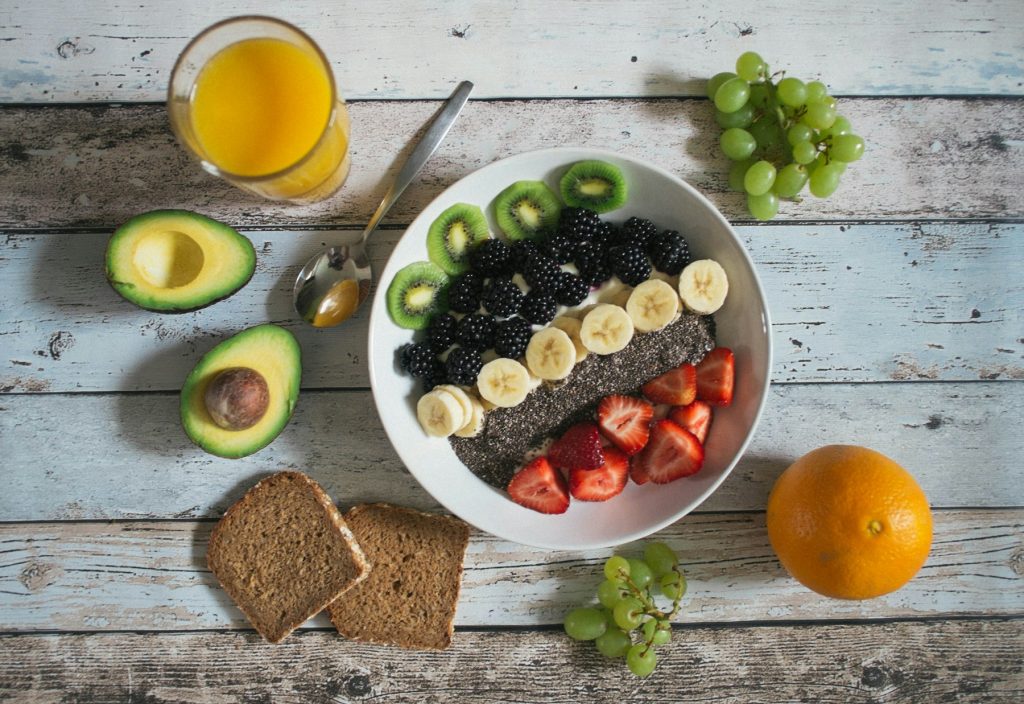
The word superfood is useful only if it stays close to the ground.
Dates, olives, lentils, citrus, greens, almonds, herbs, pomegranates, chickpeas, figs, teas, seeds, fermented foods, good bread, seasonal vegetables — many ordinary foods are dense with nourishment. They do not need to be turned into a miracle.
On retreat, food should support the body without creating another performance.
The problem with superclaims
Wellness culture can make food sound more powerful than it is.
One ingredient becomes anti-ageing. Another becomes detoxifying. Another promises glowing skin, deep healing, perfect hormones or spiritual clarity. The language gets louder until the meal itself almost disappears.
That is not the Solipse approach.
Food matters. It affects energy, digestion, mood, hydration, sleep and the ability to practice comfortably. But it does not need to be sold as magic.
A calmer claim is often more honest: this is fresh, seasonal, well-prepared food that helps you feel steady.
That is enough.
Retreat food should reduce pressure
People often arrive at retreats carrying complicated relationships with food: rules, cravings, guilt, restriction, performance, fatigue, body image, digestive issues, travel disruption.
A retreat menu should not add more pressure.
It should feel generous, clear and supportive. Mostly plant-forward where appropriate. Flexible enough for different needs. Light enough for practice. Substantial enough that people do not feel deprived. Beautiful without becoming precious.
The aim is nourishment, not control.
Local food is often the real superfood
Many destination foods are “super” because they belong to their climate.
In North Africa, dates, olives, mint, citrus, grains, legumes, spices and slow-cooked vegetables are not exotic wellness props. They are part of daily food cultures with long histories. In Spain, seasonal produce, olive oil, beans, tomatoes, almonds, herbs and simple market cooking can support the same sense of grounded nourishment.
The value is not only nutritional. It is relational.
Eating local food connects the retreat to place. It supports farmers, markets, cooks and seasonal rhythms. It prevents the strange feeling of travelling somewhere rich in food culture only to eat a menu that could have been served anywhere.
Simple meals can be deeply restorative
After nervous-system strain, simple food is often easiest to receive.
Soup. Rice. Lentils. Soft vegetables. Fresh fruit. Tea. Bread. Olive oil. A small sweet thing after dinner. Enough salt after heat. Enough protein after movement.
These choices may not photograph like a dramatic wellness bowl, but they can help the body settle.
A good meal on retreat should make the next practice easier, not heavier. It should make sleep more likely. It should leave people feeling looked after rather than managed.
Where healing actually sits
Food can be part of healing, but it is rarely the whole story.
Rest, safety, movement, sleep, sunlight, conversation, silence, breath and time away from ordinary pressure all matter too. A retreat meal works inside that wider field.
That is why exaggerated food claims feel unhelpful. They put too much weight on one ingredient and not enough attention on the whole rhythm of care.
Better language for better food
Instead of superclaims, use better questions.
Is it seasonal? Is it satisfying? Does it suit the climate? Does it respect local food culture? Does it support practice? Does it make people feel calmer in their bodies?
If the answer is yes, the food does not need hype.
It just needs to be served well.
The quiet test
A good retreat menu passes a quiet test: by the second day, people should feel fed without thinking about food all the time. They should have enough energy for practice, enough comfort for sleep, and enough pleasure that meals feel like part of the experience rather than a health protocol.
That kind of nourishment is not always dramatic.
It may be a bowl of lentils, a ripe fig, bread still warm from the kitchen, mint tea after dinner, or vegetables cooked with enough oil and salt to satisfy. The body recognises care even when the language around it stays simple.