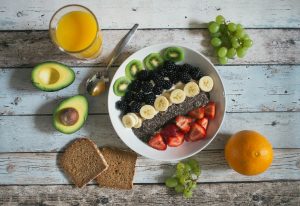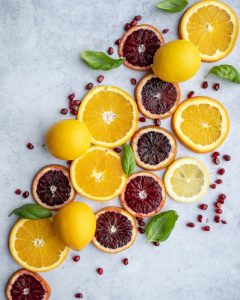

Morocco can be generous for plant-based travellers, but it helps to arrive with clear expectations.
There are vegetables, pulses, bread, olives, fruit, nuts, herbs, spices, juices and market food everywhere. There are also meat stocks, butter, eggs, honey, shared cooking surfaces and dishes that may look vegetarian until you ask one more question.
The experience is easiest when you stay curious and specific.
What tends to work well
Many Moroccan meals naturally include plant-based elements.
Vegetable tagines, lentils, chickpeas, salads, olives, breads, soups, grilled vegetables, couscous, orange slices with cinnamon, dates, nuts, mint tea and fresh juices can all fit easily into vegetarian travel. In bigger cities and retreat-focused areas, vegetarian and vegan options are increasingly familiar.
Markets can be especially good: tomatoes, herbs, citrus, figs, almonds, spices, breads, preserved lemons, seasonal fruit and small snacks that give a strong sense of place.
The food is not short on flavour.
Where to be careful
The main challenge is not finding vegetables. It is knowing what has been used in the cooking.
A vegetable dish may include meat stock. Couscous may be served with meat even if vegetables are visible. Harira, a common soup, may contain meat broth. Pastries may include butter or honey. Bread is usually simple, but it is still worth asking if you are strictly vegan.
For vegetarians, the path is usually easier. For vegans, a few extra questions matter.
Useful phrases or translated notes can help. So can communicating dietary needs before arrival rather than waiting until the table is set.
Retreat settings make this easier
A well-organised retreat should handle most of this before guests arrive.
Dietary requirements need to be collected clearly. Kitchens need to understand the difference between vegetarian, vegan, dairy-free and gluten-free. Menus should be checked in advance, especially in rural areas or smaller guesthouses.
This is one reason retreat infrastructure matters. A beautiful venue is not enough if the kitchen cannot support the group calmly.
For plant-based guests, confidence is part of rest. You should not have to negotiate every meal from a place of stress.
What vegan travellers should ask
Simple questions go a long way:
- Is the dish cooked with meat stock?
- Is there butter, milk, yoghurt, egg or honey?
- Can the vegetables be cooked in olive oil?
- Is the bread made with dairy?
- Can the sauce be served separately?
It may feel repetitive, but clarity prevents awkwardness later.
In a retreat context, these questions should be handled by the host or kitchen in advance wherever possible.
Tea, sweetness and hospitality
Mint tea is central to Moroccan hospitality. It is often served sweet, sometimes very sweet. If you prefer less sugar, ask gently. If you do drink it sweet, receive it as part of the culture rather than treating it like a nutrition problem.
Food is not only fuel. It is welcome, rhythm and relationship.
That matters on retreat. The aim is not to control every ingredient so tightly that the place disappears. The aim is to be well-fed while staying respectful and clear.
A good destination for plant-based travel
Morocco can work beautifully for vegetarian and vegan travellers when the planning is careful.
The ingredients are there. The flavour is there. The market culture is there. The warmth is there.
What makes the difference is communication: before arrival, with the kitchen, with guides, and with enough local knowledge that plant-based food feels integrated rather than improvised.
Done well, it does not feel restrictive.
It feels abundant.
What to tell a retreat host
If you are joining a retreat, be specific early. “Vegan” should mean no dairy, eggs or honey if that is your standard. “Vegetarian” should clarify whether you eat eggs or dairy. If you have allergies, say so separately rather than assuming they are understood as preferences.
Good hosts will pass this information to the kitchen before menus are finalised.
That early clarity protects the ease of the group. It prevents the plant-based traveller from feeling difficult, and it prevents the kitchen from having to improvise under pressure. Food then becomes what it should be on retreat: steady, generous and quietly taken care of.
Image: Photo by Brian Zajac on Unsplash.