Warm climates change what the body asks for.
After travel, movement, sun and unfamiliar sleep, food does not need to be complicated. It needs to help the system stay steady: enough water, enough salt, enough minerals, enough freshness, enough substance.
That is where juices and simple retreat food can be useful — not as wellness decoration, but as practical support.
Hydration is more than water
In heat, drinking plain water all day is not always enough. The body also loses sodium and other minerals through sweat. Long transfers, flights, dry air, caffeine and alcohol can add to the feeling of depletion.
A good warm-weather retreat pays attention to this.
That may mean mineral water, herbal infusions, diluted fruit juices, soups, broths, salted vegetables, olives, dates, citrus, watermelon, cucumber, mint, yoghurt where appropriate, and meals that do not leave people heavy in the middle of the day.
The details will change by destination. The principle is the same: hydration belongs in the whole menu, not just the water bottle.
Why fresh juices help
Fresh juices can be genuinely useful in warm climates when they are treated as food, not a miracle.
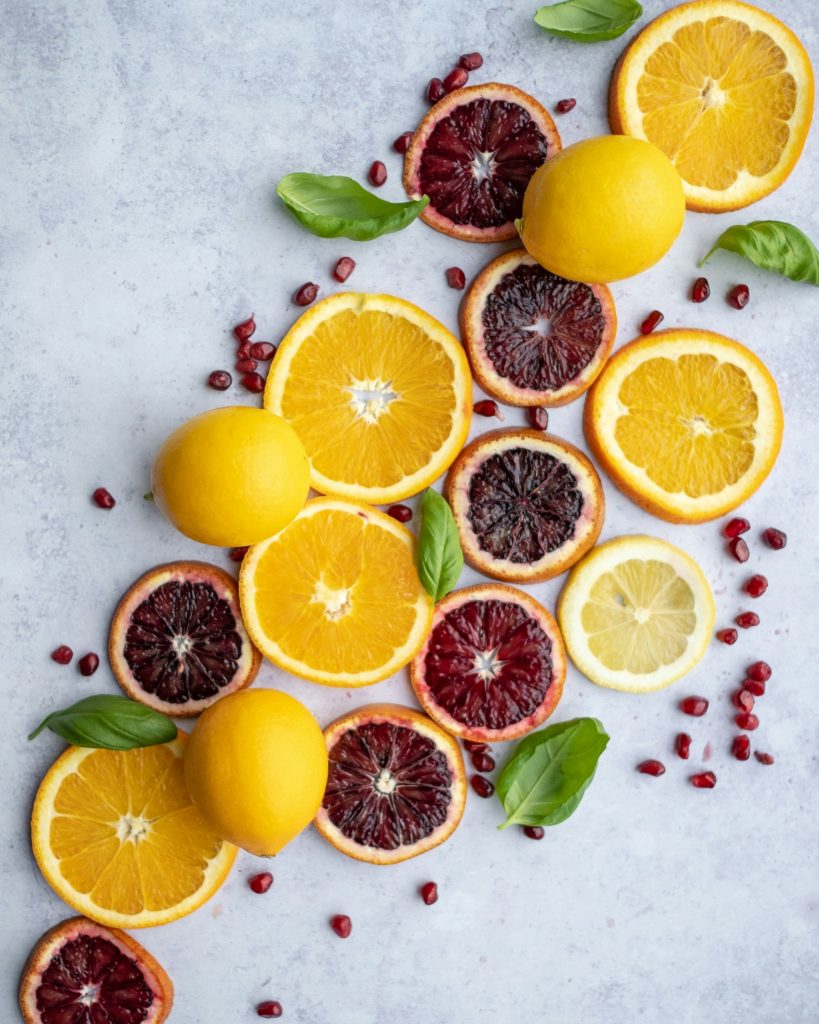
Orange, pomegranate, watermelon, cucumber, lemon, ginger, mint and local fruit blends can help people rehydrate, cool down and take in quick energy after travel or practice. In places like Morocco, Egypt, Tunisia and Spain, juice culture can also connect people to markets, seasons and local daily life.
But juice is not a cleanse. It is not a moral upgrade. It does not need inflated claims.
Sometimes a glass of juice is simply the right thing after heat.
Food that supports practice
Retreat meals need to sit well in the body.
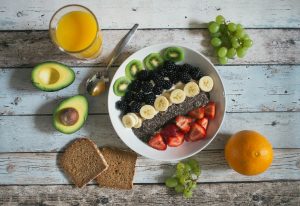
Before morning practice, many people prefer something light: tea, fruit, a small piece of bread, nuts or dates. After practice, the body may want a fuller breakfast. In the heat of the day, heavy meals can slow people down. In the evening, a warm, grounding dinner can help the system settle.
This is not about restriction. It is about timing.
Good retreat food supports the rhythm of movement and rest. It leaves people nourished but not overloaded. It respects different appetites. It makes space for plant-based eating without making food feel clinical.
Local ingredients, simple preparation
Warm-climate food is often already intelligent.
Think olives, tomatoes, herbs, lentils, chickpeas, grains, figs, dates, citrus, eggplant, peppers, greens, almonds, yoghurt, flatbreads, soups and seasonal fruit. Many traditional dishes evolved with heat, work, fasting, feasting and local agriculture in mind.
A retreat does not need to import a wellness menu if the local food culture already knows how to feed people well.
The better question is: what grows here, what is eaten here, and how can it be offered in a way that supports practice?
Heat asks for pacing
Food is only one part of heat management.
Schedules matter too. Stronger movement may belong earlier in the morning. Rest may belong after lunch. Excursions may need shade, water, timing and slower expectations. Alcohol may need to be optional and clearly separated from the core retreat rhythm.
The body is not a machine. It responds to climate.
A calmer kind of nourishment
The best retreat food often feels almost ordinary while you are eating it.
A glass of juice after arrival. A simple salad with enough salt. Lentils and rice. Mint tea. Watermelon in the afternoon. Soup at night. Breakfast that gives you energy without making practice feel heavy.
No drama. No superclaims.
Just food and drink that help the body come back into balance.
A simple arrival plan
The first twenty-four hours matter. After a flight or long transfer, the body may need more than a welcome drink and a full schedule. A better arrival might include water, something mineral or lightly salted, fresh fruit, a simple meal, shade, time to shower, and a first practice that is more about landing than effort.
This is where food and retreat design meet.
A juice at the right moment is not a lifestyle statement. It is a bridge between travel and rest. It tells the body: you are here now; you can stop bracing.