Spain is one of the most practical candidates for a 2027 eclipse retreat. It may not have the same instant mythology as Egypt or the same desert stillness as parts of North Africa, but ease matters when people are travelling for a rare event.
A total solar eclipse is already precise. The weather, timing, transport and viewing location all matter. The less friction around the experience, the more space people have to actually receive it.
Why Spain feels simpler
Spain offers a familiar travel framework for many international guests. Flight access is strong, accommodation standards are broad, food and transport are easier to plan, and there is established infrastructure around wellness, yoga and small-group travel.
That does not make the eclipse automatic. No destination can promise perfect conditions. But good infrastructure reduces the number of things that can make a trip feel strained.
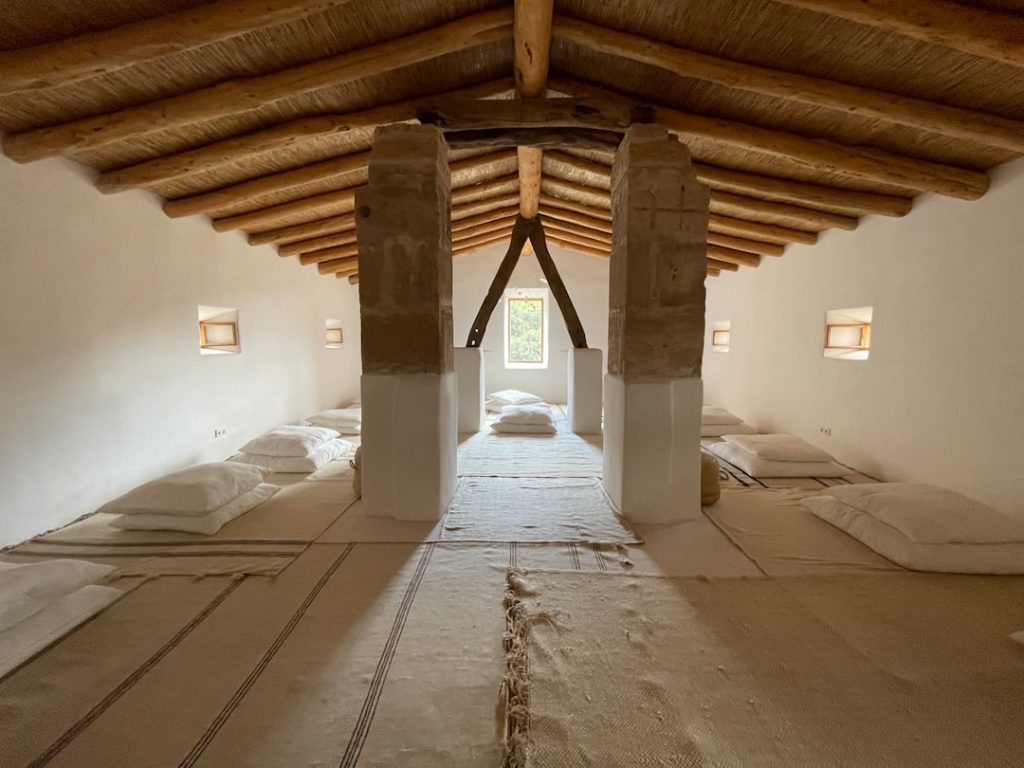
For a retreat, that matters. Guests are not only buying a viewing location. They are entering a week of practice, rest, meals, movement and shared rhythm. The setting has to support the whole experience, not just the few minutes of totality.
The south of Spain
Southern Spain is especially relevant because parts of the eclipse path cross the region. Places near the Strait of Gibraltar, including areas around Cádiz and Tarifa, naturally invite attention because they combine coast, open horizons and strong travel appeal.
The appeal is not only visual. Southern Spain has a slower texture when handled well: warm evenings, layered history, Moorish influence, white villages, markets, olive oil, sea air. It can hold both retreat and travel without feeling too remote.
The risk is crowding. Accessible eclipse locations often attract large numbers of visitors. A Spain-based retreat would need careful planning around accommodation, transport, viewing position and timing. Ease does not remove the need for precision.
Less exotic, more workable
Spain may feel less adventurous than Egypt, Morocco or Tunisia. That can be a disadvantage for storytelling, but an advantage for guest confidence.
Some travellers want the once-in-a-lifetime feeling of a major eclipse destination. Others want the eclipse held inside a trip that feels beautiful, organised and manageable. Spain speaks to that second need.
For Solipse, this is important. The brand is not trying to create spectacle at any cost. It is trying to create conditions where rare natural events can be experienced with steadiness.
A good fit for first-time retreat guests
Spain may be especially suitable for guests who are new to retreats or nervous about long-haul complexity. It offers culture and landscape without pushing people too far outside their comfort zone.
A retreat here could balance practice with simple pleasures: morning movement, rest, coastal walks, good food, shade, conversation, and a carefully chosen eclipse viewing plan.
That combination may not sound dramatic. It may be exactly the point.
The Solipse question
The question is not “Which destination sounds most impressive?”
It is: where can the eclipse be held with care, clarity and enough ease for people to arrive in their bodies?
Spain remains a strong answer. Not because it is the wildest option, but because it may be the most workable one.
What would still need checking
Spain’s practicality should not be mistaken for certainty. A serious retreat plan would still need to verify weather patterns, local crowd forecasts, transport pressure, venue availability and the quality of the viewing horizon.
It would also need to decide what kind of Spain experience belongs around the eclipse. Coastal calm is different from city access. Rural quiet is different from historic intensity. A good itinerary cannot do all of it.
The strongest version would choose one clear base and let the rest of the week breathe. Ease is only useful if it is protected. That is the real opportunity of Spain: not a simpler story, but a steadier one. For many guests, steadiness is what makes wonder possible.